
For Japanese learners, it’s also a nice little vocab moment: limited-time in Japan is often called 期間限定 (kikan gentei, limited-time; for a limited period), and that phrase shows up everywhere from convenience-store snacks to special café menus.
A limited-time matcha stop in Tottori City
Guess what? Tottori City is drawing attention with a limited-time 抹茶 (matcha, powdered green tea) dessert spot, and that seasonal angle is exactly what makes it interesting. Japan loves a kikan gentei event, and food stalls, café pop-ups, and department store sweets counters often get the strongest reaction when they only last for a short window.
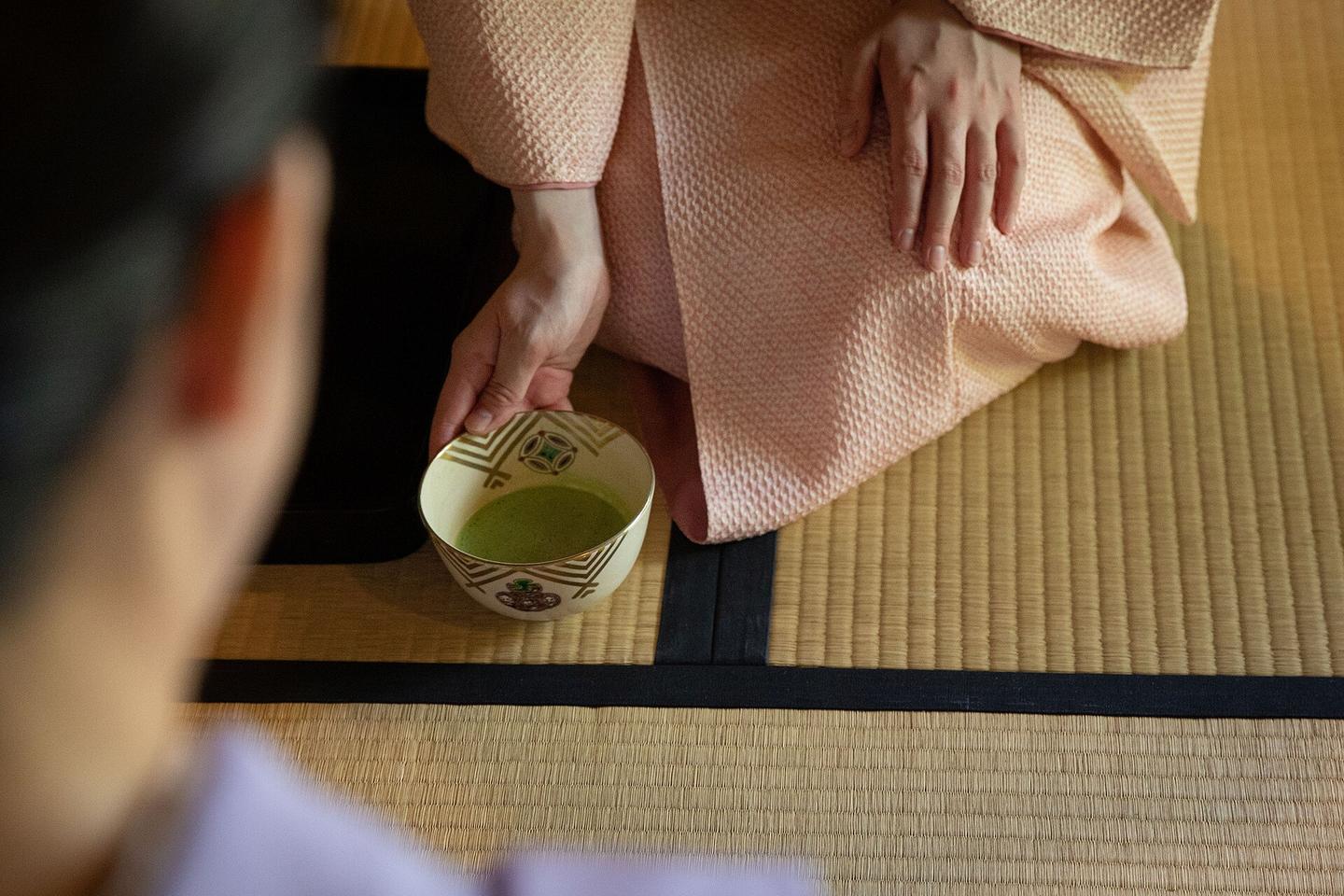
Take this one, for instance. The draw is matcha desserts, not just matcha drinks, so you can expect the flavour to be worked into things like parfaits, soft-serve-style sweets, cakes, and other treats that lean into the bittersweet balance matcha fans love. In Japan, matcha is usually about more than “green tea flavour”; it carries a whole tea-house feel, a bit of ceremony, and a very specific seasonal mood. Sounds good, right?
What makes the Tottori City setup stand out is the timing. A temporary food spot naturally creates urgency, and that’s exactly how Japanese event sweets often work. You don’t just pop in because you feel like it; you go because the calendar says the chance won’t last.
Why matcha desserts keep pulling crowds
On a related note, matcha has become one of Japan’s most reliable dessert flavours, and it’s easy to see why. It works in baked goods, frozen sweets, creams, 餅 (mochi, rice cake), and layered café desserts, so shops can make a menu that feels both familiar and premium. Compared to back home, where tea-flavoured desserts can still feel niche, Japan treats matcha like a full dessert category.
Hand on heart, I think the best matcha sweets are the ones that keep the tea flavour sharp instead of burying it under too much sugar. A good matcha dessert should taste a little earthy, a little bitter, and still smooth. When the balance is right, it’s simply brilliant.
Japanese learners will spot this word everywhere: 味 (aji, taste; flavour) means taste, and 苦味 (nigami, bitterness) means bitterness. Those two ideas matter a lot with matcha, because a dessert that’s too sweet stops feeling like matcha at all. That’s probably why proper matcha fans are so picky. Sounds weird, but it’s true.
The queue factor: long lines last year
Here’s the kicker: last year’s event reportedly drew long lines, which tells you this isn’t just another cute sweets announcement. When a temporary café or dessert stall gets a strong reputation in Japan, people will happily wait, especially if the menu is tied to a local buzz, a seasonal theme, or a limited run that feels worth the effort.
Let's be honest: long queues are almost part of the food culture here. A shop with a line can feel more trustworthy than one that’s empty, especially for seasonal dessert spots. If you’ve ever seen people waiting patiently outside a sweets shop in Kyoto, Tokyo, or Osaka, you know the drill. The queue becomes part of the story.
Oh, and almost forgot: if you’re planning to visit a popular pop-up in Japan, the smartest move is to arrive early and check social media before you go. Japanese cafés often post same-day updates about sold-out items, shortened hours, or changed serving limits. That can save you from a wasted trip, and nobody wants that.
Tottori City and why local food events matter
Why Tottori City? Because regional food events like this help local destinations stand out in a country where major cities often steal the spotlight. Tottori is already well known for the Tottori Sand Dunes, but food events give travellers another reason to stop, stay longer, and spend money locally. Seasonal sweets can be a surprisingly effective travel hook.
Fun fact: Tottori Prefecture is the least populous prefecture in Japan, which makes any high-interest food event feel even more noticeable. When a limited-time dessert spot gets traction there, it can become a real talking point for locals and visitors alike. That local scale makes the event feel more personal, not less.
Basically, this is the kind of thing Japanese fans should keep an eye on if they’re planning a trip in the warmer seasons or during a special event period. A temporary matcha spot can be a small stop on the map, but it can still become the highlight of the day. Highly recommended:
Matcha vocabulary to know before you go
Simple words that help you read menus
If you’re learning Japanese, food pop-ups like this are perfect practice. Look out for matcha for green tea powder, kikan gentei for limited-time, sweets written in katakana, and parfait, which shows up in café menus all over Japan. You’ll also see nigami when a menu description wants to emphasise a deeper tea flavour.
The first time I went to Japan, I remember being amazed by how often seasonal words shaped what people ordered. Spring meant 桜 (sakura, cherry blossom), summer meant shaved ice, autumn meant chestnut and sweet potato, and matcha had its own strong year-round fanbase. That rhythm makes food vocabulary much easier to remember because it’s tied to real life.
Compared to back home, Japanese seasonal food culture feels much more visible. You don’t need to search hard for it; it’s on posters, menus, and store displays all the time. That’s why an event in Tottori City like this is more than a dessert story, it’s a little window into how Japan turns timing into taste. But that’s not all.
My tip: if you see a limited-time matcha event on a Japan trip, go with an empty stomach and a flexible schedule. Seasonal sweets tend to sell best earlier in the day, and the good ones rarely stay quiet for long. Personally, I’d choose the richest-looking matcha parfait first.
Frequently Asked Questions
Where is the limited-time matcha dessert spot?
It is in Tottori City.
Why is the event getting attention?
It is limited-time and focuses on matcha desserts, which often attract strong interest in Japan.
Should visitors expect long waits?
Yes, that is possible, especially since similar events drew long lines last year.


