

Here’s the thing: this isn’t just nostalgia bait with a shiny trailer. It’s a 28-volume historical romance that helped define an entire era of 少女 (shoujo, girls' manga / girls' fiction) storytelling, and its late arrival says a lot about how anime production now treats older hits. Sometimes, very late is still better than never.



Red River finally gets an anime after 26 years
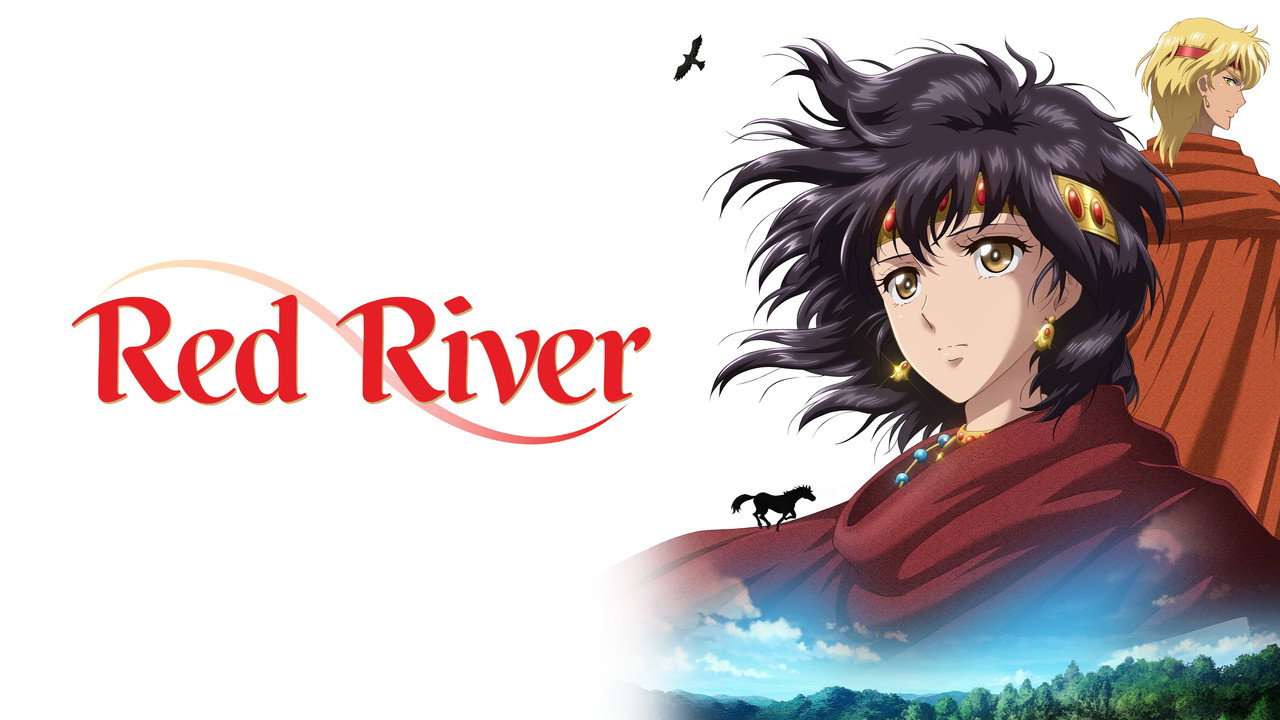
Red River, known in Japan as Ten wa 赤い (Akai, red) 河 (Kawa, river) no Hotori and internationally as Anatolia Story, is finally coming to television as an anime in July 2026 on NTV. That alone is a small industry event. Chie Shinohara's manga is one of those 90s shoujo titles that kept its reputation alive through sheer force of reader loyalty, fan memory, and the occasional new edition or anniversary feature, which is more than a lot of manga can say after two decades of silence.
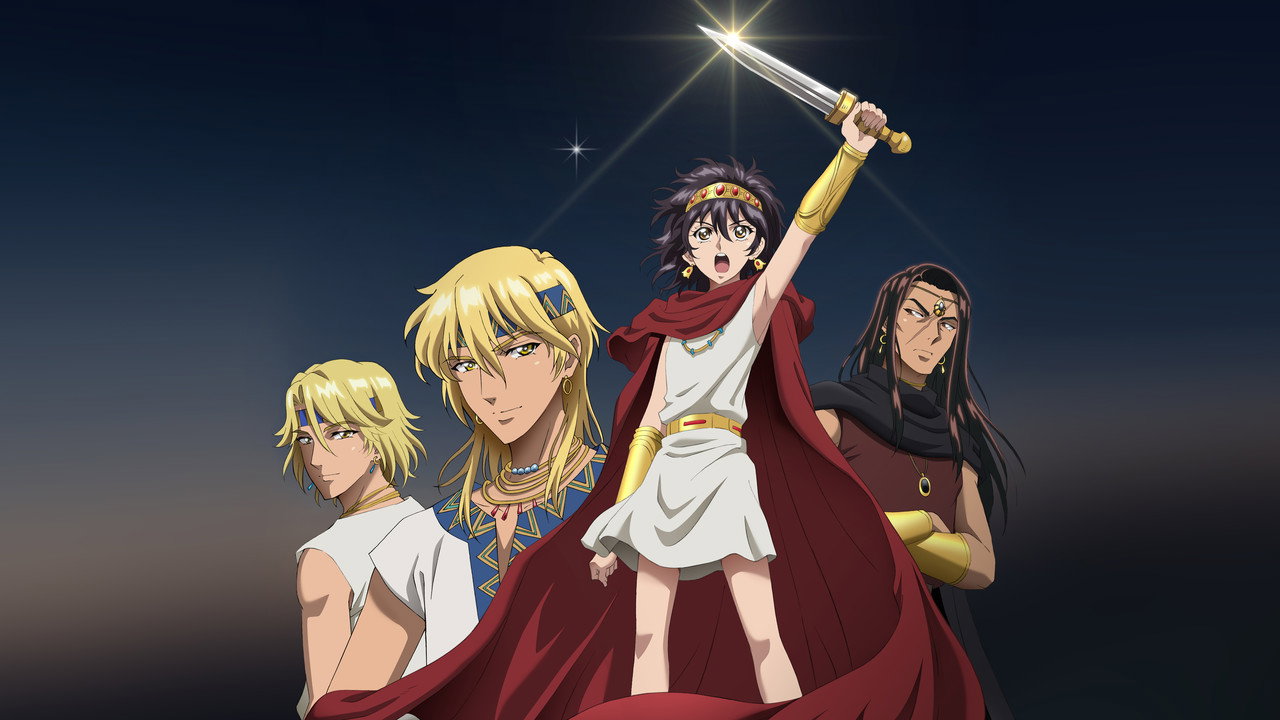
Fun fact: the original manga ran in Sho-Comi and ended up spanning 28 volumes. That size matters. A story that long isn’t a disposable romance, it’s a sprawling historical drama with political intrigue, war, court manoeuvring, and enough emotional reversals to make a modern streaming pitch deck sweat. If you know even a little Japanese, the title itself is worth noting: akai means red, kawa means river, and hotori means shore or riverside. Clean, poetic, and very much doing more work than the English title alone suggests. Convinced yet?
Chie Shinohara and the shoujo legacy that survived the 90s
Chie Shinohara isn't a new name being rescued from obscurity. She's a major shoujo creator, and Red River is one of the books that secured that status. What I especially like about her work, at least in theory and very much in practice, is that she doesn't treat romance as decorative garnish. The romance drives the conflict, the history sharpens the stakes, and the heroine's growth actually changes the shape of the plot. That sounds obvious until you look at how many adaptations flatten this kind of material into wallpaper with attractive people in it.
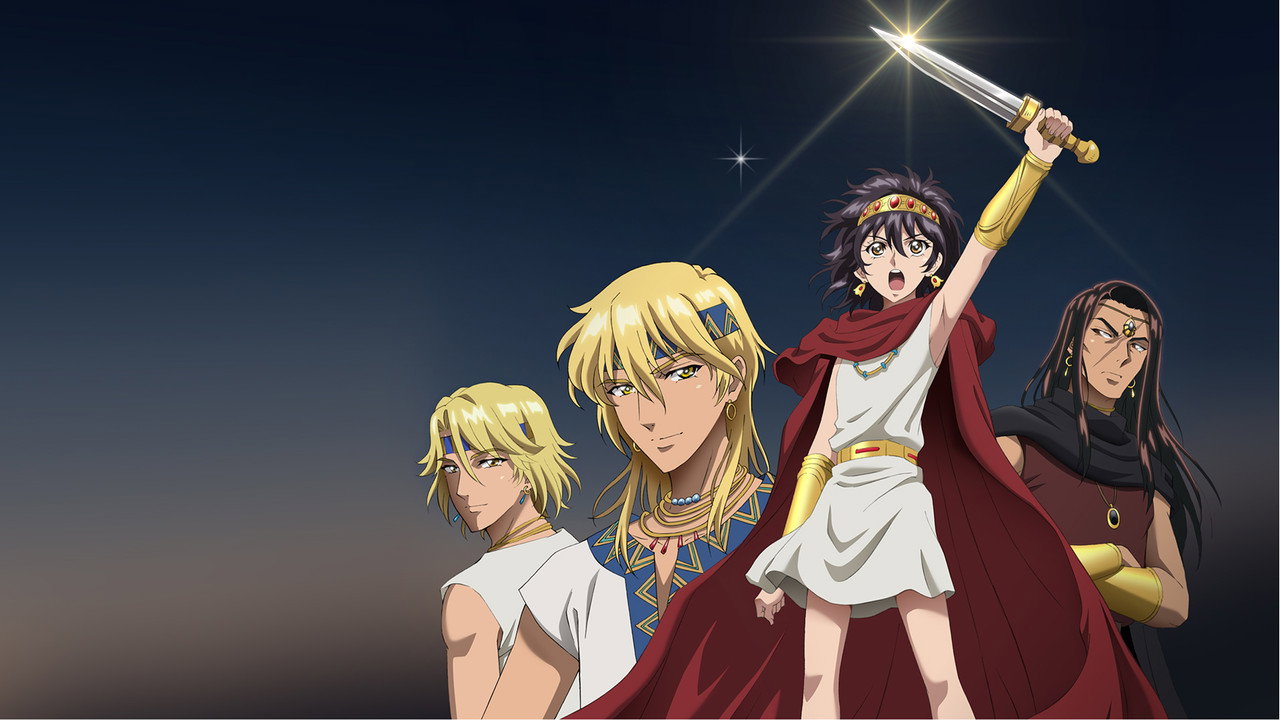
On a related note: the 90s shoujo market produced a lot of series that anime still ignores or under-serves. There were fantasy epics, time-slip romances, and court dramas that sold on emotional intensity as much as spectacle, but most of them never made the leap to animation, or they arrived in truncated form. Red River getting a full TV anime in 2026 is a reminder that the backlog of viable adaptations is still enormous. The industry didn't run out of stories. It just spent years chasing safer bets.
Why this manga lasted
No wonder, because the premise is built to travel well: a modern girl is pulled into the ancient Anatolian world, then has to navigate survival, politics, and romance in a setting that feels both exotic and brutally grounded. That mix is catnip for Japanese readers who like historical fantasia, and it remains accessible to new viewers because the setup is instant. For Japanese learners, this is also useful terrain. You get court vocabulary, emotional verbs, and old-fashioned dramatic phrasing all at once, which is exactly the sort of language that sticks in your head when the story is doing its job.
Before I forget: if you're learning Japanese, titles like this are a neat way to study naming conventions. Ten means heaven or sky, aka is red, and kawa is river. A title doesn't have to be literal to be legible, and Japanese manga titles often work by mood first, explanation second. That's not a flaw. It's style. And style, contrary to what some adaptation committees seem to believe, is not optional. Wait, there’s more.
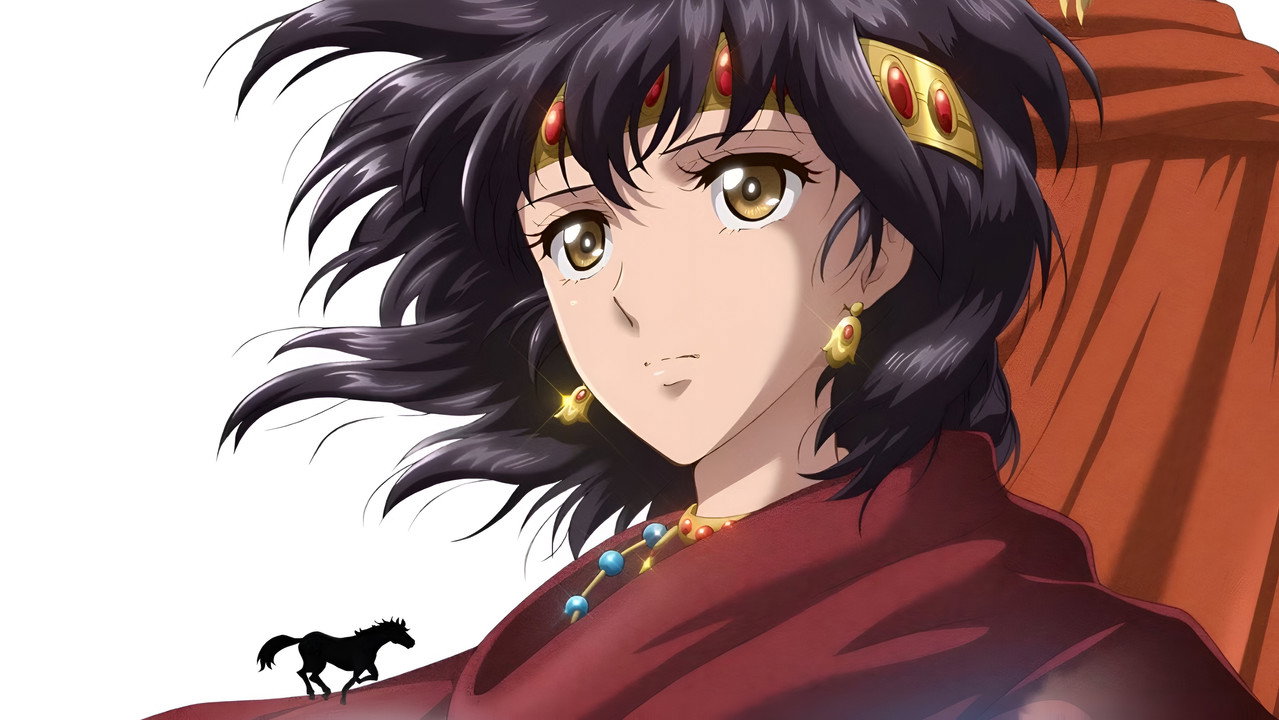
Why NTV's July 2026 anime matters for production
Here’s the catch: adapting a 28-volume shoujo epic in 2026 is not the same as doing it in 1999, or even 2010. TV anime now lives under a different set of production pressures. Schedules are tighter, committees are more risk-aware, and audience expectations are harsher because everyone can compare the new version to the manga, old fan scans, and half a dozen other adaptations airing the same season. So when NTV places Red River in July 2026, they’re not just buying a title. They’re betting that the material still feels current enough to justify the budget.
Trust me on this one: that’s a smarter move than it sounds. Older shoujo properties have one huge advantage, they come with a proven emotional architecture. You already know the work can hold attention across dozens of chapters, which means the adaptation team doesn’t need to invent gravity. They only need to figure out how to stage it. And that distinction matters. Plenty of anime fail not because the source is weak, but because the adaptation can’t make the emotional beats land in practice, even if they look fine on paper.
Here’s where it gets interesting. If NTV and the production side treat this as a prestige romance rather than a nostalgia rerun, the anime could do what the manga did best: combine scale with intimacy. Big wars. Small gestures. A heroine whose decisions actually alter the world around her. That balance is harder to animate than it is to write about, which is why I’m interested. Not because the title is old, but because old titles with real structural discipline often embarrass newer, flashier series. No exaggeration.
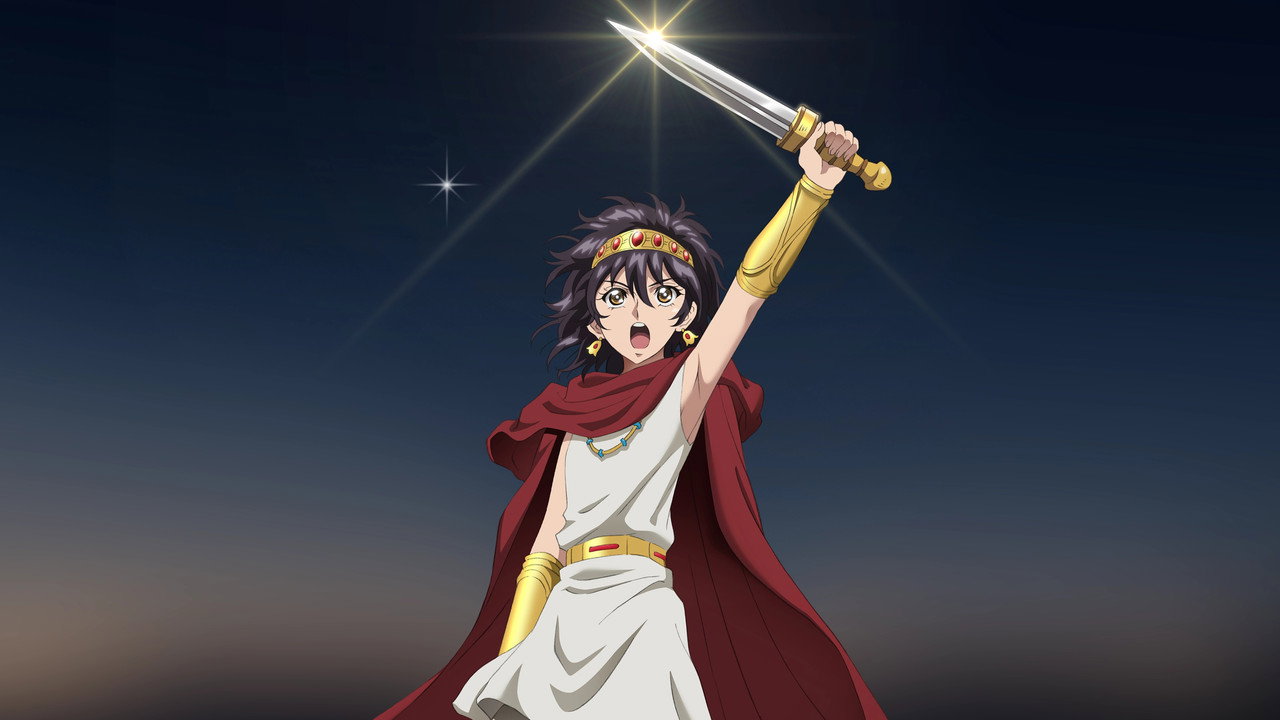
What international fans should expect from Anatolia Story
Ever wondered why Anatolia Story still gets mentioned in English-speaking manga circles? Because it sits in that sweet spot between accessibility and depth. Even if you never read the whole 28-volume run, the core hook is easy to explain, and the historical setting gives translators plenty to work with. It also has the sort of emotional escalation that makes recap discussions, fan analyses, and language-study notes actually worth reading. Not every classic ages this well. Some age like milk in a sunlit train station.
My tip: if you want to prepare for the anime, read a synopsis first, then sample a few chapters if you can find them legally. Pay attention to how names, honorifics, and court terms are handled in translation. That’s where a lot of meaning hides. A good translation doesn’t just convert words, it preserves social distance, rank, and tension, which is half the fun in a story like this. And if the anime leans into those details instead of sanding them off, it could become the rare late adaptation that feels like a correction rather than an afterthought. This is my favourite hidden gem!
Red River getting animated after 26 years isn't just a cute comeback story. It's evidence that the industry still has room for deep catalogue picks, especially when a manga has the numbers, the reputation, and the narrative muscle to justify a second life. Which is why Ten wa Akai Kawa no Hotori matters now, and now you know exactly why that is. more Japan news on jpnerd.com
In pictures
Frequently Asked Questions
What is Red River?
It is the English name commonly used for Chie Shinohara's historical shoujo manga, also known as Anatolia Story.
When will the anime air?
NTV has announced a July 2026 broadcast window.
How long is the original manga?
The manga ran for 28 volumes, which gives the adaptation a substantial story to work with.

