

For Japan fans and Japanese learners, this is one of those anime announcements that feels bigger than a simple OP reveal. It connects a major 少年 (shonen, boys' manga/anime) title, a top-name Japanese band, and a late-night TV schedule that many domestic viewers already know by heart.


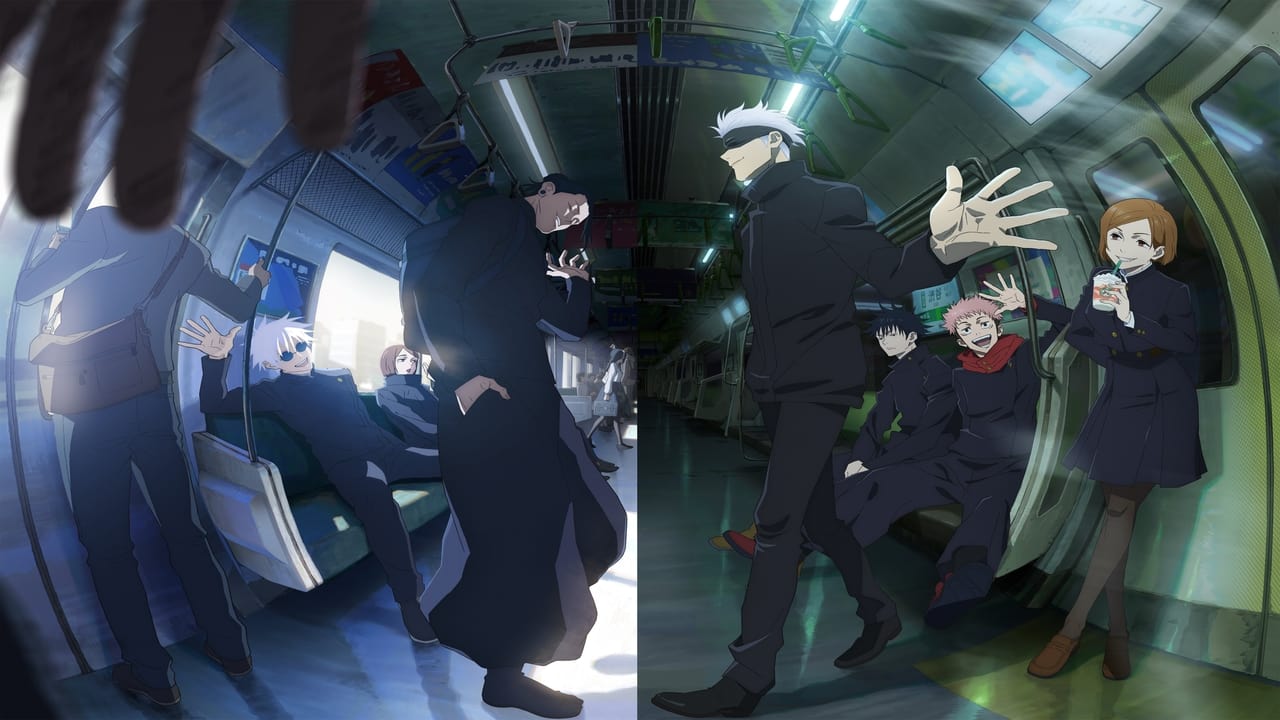
Jujutsu Kaisen season 3 has landed with a headline that anime fans can feel immediately: King Gnu is performing the new opening theme, AIZO. If you follow Japanese music as closely as anime, that pairing makes a lot of sense, because King Gnu have become one of those groups that can turn an anime opening into a full cultural moment. The new season is officially the first part of Shimekatsu Yugou, or Shimekatsu Yugou Part 1, and that already tells you this won’t be a small return. It’s a major push, with a major band, and a prime late-night broadcast setup. No joke: this is exactly the kind of announcement that gets people to mark their calendars.

What I especially like is how clear the rollout feels. We’re not guessing about a vague “coming soon” window, and we’re not waiting for a random teaser drop with no context. The release information ties together the season title, the opening artist, and the broadcast details in one neat package. For Japanese learners, that’s actually useful too, because anime news in Japan often uses precise wording like 放送開始 (放送 (housou) kaishi, broadcast start) for broadcast start, or op theme for opening theme, and those phrases show up again and again in official announcements. That’s why these little news updates are great language practice as well as fandom fuel. Convinced yet?
Jujutsu Kaisen Season 3: Shimekatsu Yugou Part 1 Takes Over Late-Night TV
Picture this: a huge anime title returns, the new season is framed as Jujutsu Kaisen season 3, Shimekatsu Yugou Part 1, and the broadcast is locked in for Thursday at 0:26. That’s not a casual time slot, it’s classic Japanese late-night anime territory, the sort of timing that suggests a dedicated fan audience and a strong TV rollout. The series is scheduled across the MBS/TBS 28-station network, which is a serious nationwide reach for an anime broadcast. In other words, this isn’t just a streaming-first afterthought. It’s built to hit TV viewers across Japan at the same time, and that still matters a lot in anime culture. Classic Japan, isn’t it?

For newer learners, here’s a useful bit of context: Japanese TV anime often air after midnight, especially for titles aimed at teens and adults. That’s partly because of scheduling, partly because it fits the production and promotional cycle, and partly because fans are used to setting recordings or staying up for the first broadcast. The exact time, 0:26, may look oddly specific if you’re used to broad Western release windows, but in Japan these minute-level slots are normal. For example, if you want to read anime schedules in Japanese news, you’ll often see precise times like 0:26 or 24:00, and knowing how to read them is a small but useful skill. That’s why... even a release time can teach you something.
King Gnu and AIZO: Why This Opening Song Matters
Let me show you why King Gnu’s involvement matters so much. The band isn’t just popular, they’ve built a reputation for songs that feel dramatic, stylish, and a little unpredictable, which is exactly the energy an anime opening needs when a story is about to get darker. AIZO is the new OP for this season, and the fact that it comes from a band already known well beyond anime circles gives the release extra weight. If you’ve ever heard a song and instantly recognised it as King Gnu らしい (rashii, seems like; typical of), you’ll know what I mean, there’s a certain sharpness to their sound that sticks.




What this means for anime music fans
On the flip side, not every big anime opening needs to come from a famous mainstream act, but when it does, the conversation changes fast. Fans start comparing visual cuts, lyric timing, and how well the chorus matches the story’s tension. King Gnu have already shown they can handle that kind of pressure, and that’s probably why the announcement feels so strong. My tip: if you’re learning Japanese through music, listen for repeated lyric patterns and try to catch a few words on the first playthrough, then read the romaji later. It’s a much better way to build listening confidence than trying to understand every line at once. From my experience, one good anime OP can become a weekly language study habit, and that’s pretty motivating. But that's not all.
For Japanese learners, AIZO also gives you a reason to pay attention to pronunciation and rhythm. Anime songs often compress syllables, use poetic wording, and lean on emotional vocabulary, so even if you can’t parse every lyric, you still pick up sound patterns and common expressions. That kind of exposure matters. No wonder, because anime openings are one of the easiest ways to keep Japanese in your ears without it feeling like study time.
How to Follow the Broadcast and What to Watch For
If you’re outside Japan, the easiest path is to track official streaming and anime news updates, but the key Japanese broadcast details are still worth knowing. The new season is tied to the MBS/TBS 28-station network, and the Thursday 0:26 slot tells you exactly when domestic viewers will see the first airing. That precision helps when you’re reading Japanese announcements, because they often list network groups, airtimes, and production terms in a very compressed style. For example, you might see 新作 (shinsaku, new work; new release) for a new work, housou for broadcast, or 演奏 (ensou, performance; playing music) when music is part of the description. Once you get used to that wording, Japanese anime news becomes much easier to scan quickly. Pro tip: keep a small note list of common entertainment words, and you’ll recognise announcement patterns faster than you expect.
There’s also a fun fandom angle here. Jujutsu Kaisen has always had a strong relationship with music, pacing, and visuals, so the opening theme isn’t just a bonus track, it shapes first impressions. The right OP can make a season feel bigger before episode one even starts. That’s why King Gnu’s AIZO is getting attention right away, because it suggests the production team wants the opening to carry serious mood, not just montage energy. If you’re the kind of learner who enjoys comparing opening themes across seasons, this is a great one to watch closely, especially once the first preview cuts and full song clips start circulating. Let me show you why... those details can tell you a lot about tone before the plot even begins.
And if you want to keep up with more Japanese pop culture updates like this, check out more Japan news on jpnerd.com. The anime world moves fast, but the good stuff is always worth following.
In pictures


Frequently Asked Questions
When does Jujutsu Kaisen season 3 air in Japan?
The season is scheduled for Thursday at 0:26 on the MBS/TBS 28-station network.
Who sings the new opening song?
King Gnu performs the opening theme, AIZO.
What is the new season called?
It is titled Shimekatsu Yugou Part 1, which is the first part of season 3.